How to See the Gibraltar Monkeys: Your Complete 2026 Guide
How to See the Gibraltar Monkeys: Your Complete 2026 Guide
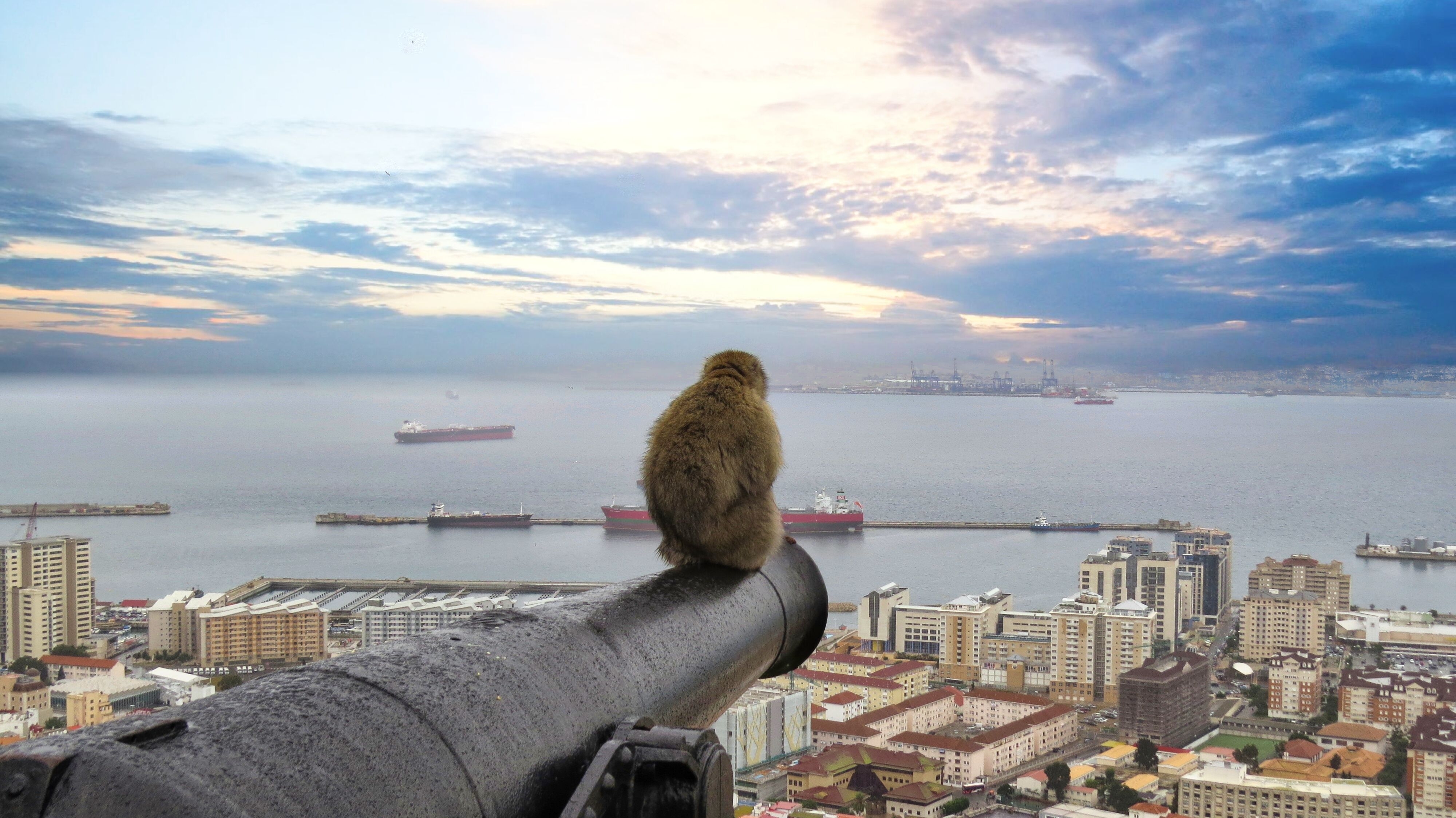
There's something magical about locking eyes with a wild Barbary macaque perched on an ancient limestone wall, the Mediterranean glittering behind it. The **Gibraltar monkeys** are Europe's only free-roaming primates, and encountering them is the highlight of most visits to the Rock.
But seeing these charismatic creatures isn't just about showing up. Knowing where to go, when to visit, and how to behave around them transforms a fleeting glimpse into an unforgettable wildlife experience. This guide shares everything you need to know—straight from local guides who spend their days among the macaques.
Why the Gibraltar Monkeys Are So Special
The **Barbary macaques** of Gibraltar hold a unique place in European natural history. They're the continent's only wild monkey population, and their presence on the Rock dates back centuries—possibly brought by the Moors during their occupation of Iberia, or perhaps remnants of populations that once ranged across southern Europe.
Today, around **230 macaques** live in several troops across the Upper Rock Nature Reserve. They've become Gibraltar's most famous residents, drawing hundreds of thousands of visitors each year.
Legend has it that Britain will lose Gibraltar when the last monkey leaves. During World War II, when the population dwindled dangerously low, **Winston Churchill** himself ordered reinforcements from Morocco. The monkeys stayed, and so did British Gibraltar.
What Makes Barbary Macaques Unique
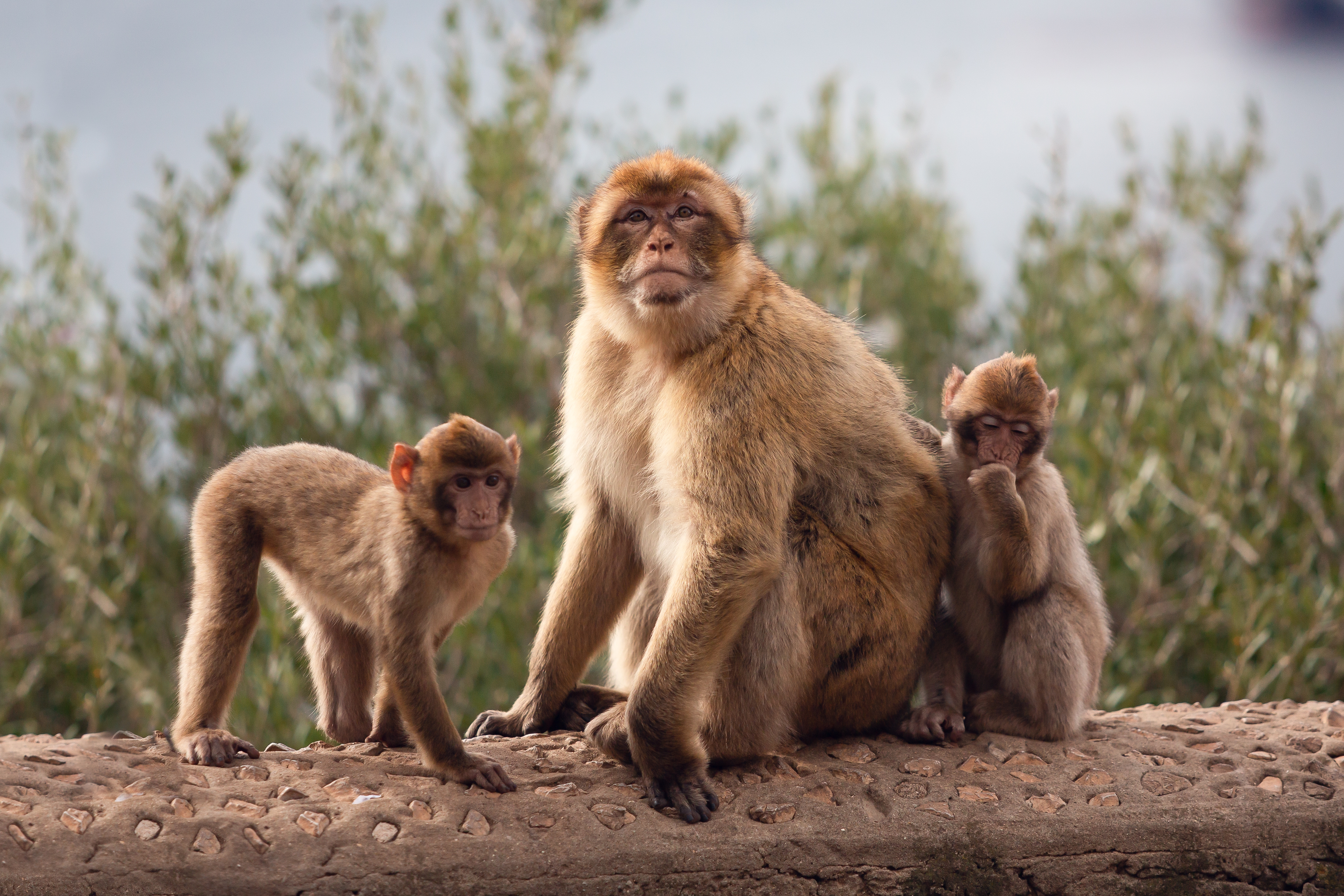
Unlike most monkeys, Barbary macaques are tailless—which is why locals often call them "apes." They're highly social, living in matriarchal troops where females stay for life while males move between groups.
Their expressive faces and human-like behaviours make them endlessly watchable. You'll see mothers cradling infants, juveniles wrestling and chasing, and dominant males surveying their territory with unmistakable authority.
Where to Find the Gibraltar Monkeys
The macaques roam freely across the **Upper Rock Nature Reserve**, but certain spots offer far better viewing opportunities than others. Here's where experienced guides recommend heading:
Apes Den (Queen's Gate)
This is the most accessible and popular viewing area. A large troop frequents the terraced area near the cable car top station, and they're thoroughly habituated to humans. You'll often find macaques lounging on walls, grooming each other, or boldly approaching visitors.
**Best for:** First-time visitors, families, those with limited mobility.
Middle Hill Area
A quieter alternative where you'll find macaques behaving more naturally. The troop here sees fewer tourists, so you may witness more authentic social interactions—grooming sessions, play-fighting juveniles, and foraging behaviour.
**Best for:** Photography enthusiasts, those seeking a calmer experience.
The Great Siege Tunnels Approach
Macaques often congregate along the road leading to the tunnels. Early morning visits here can yield sightings of the troop waking up and beginning their daily routines.
**Best for:** Combining monkey viewing with historical sites.
Mediterranean Steps
For the adventurous, this challenging hiking trail occasionally offers encounters with macaques in a wilder setting. The views are spectacular, and any monkey sightings feel genuinely serendipitous.
**Best for:** Fit hikers wanting an off-the-beaten-path experience.
When Is the Best Time to See Gibraltar Monkeys?
Timing significantly impacts your experience. The macaques follow predictable daily and seasonal patterns that savvy visitors can use to their advantage.
| **Time of Day** | **Monkey Activity** | **Crowd Levels** | **Recommendation** |
|---|---|---|---|
| Early morning (8–10am) | High activity, feeding and socialising | Low | Excellent for photography and natural behaviour |
| Midday (11am–2pm) | Resting in shade, less active | Peak crowds | Avoid if possible |
| Late afternoon (4–6pm) | Increased activity before dusk | Moderate | Good balance of activity and fewer visitors |
**Seasonally**, spring (**March to May**) is particularly rewarding. This is when you'll see newborn infants clinging to their mothers—arguably the most heartwarming sight on the Rock. Summer brings peak tourist numbers but also extended daylight hours for early or late visits.
Winter offers the quietest experience, though the macaques may be less visible on cold, wet days when they shelter in the vegetation.
How to Behave Around the Macaques
The Gibraltar monkeys are wild animals, and respecting them ensures both your safety and their wellbeing. The **Gibraltar Ornithological and Natural History Society** and local authorities enforce strict guidelines.
The Golden Rules
- **Never feed the monkeys.** It's illegal and carries fines up to **£4,000**. Feeding habituates them to humans, causes health problems, and increases aggressive behaviour.
- **Secure all food and bags.** Macaques are opportunistic and remarkably quick. Zip up bags, don't carry visible food, and be especially careful with anything rustling like a crisp packet.
- **Don't make direct eye contact.** Prolonged staring is perceived as a threat. Observe from a respectful distance using peripheral vision.
- **Never touch or attempt to pet them.** They may look cuddly, but they have sharp teeth and can bite if they feel threatened.
- **Keep children close.** Young macaques may approach children out of curiosity, which can escalate unpredictably.
What to Do If a Monkey Approaches You
Stay calm. Don't run or make sudden movements. Turn slightly sideways, avoid eye contact, and back away slowly. If a macaque jumps on you (it happens), stay still and let it lose interest—they're usually just investigating.
**Expert insight:** "The macaques read body language incredibly well," explains a veteran Rocky Monkey guide. "If you're relaxed and non-threatening, they'll ignore you completely. It's the nervous, jerky movements that pique their curiosity or trigger defensive responses. Treat them like you would any wild animal—with respect and distance—and you'll have a wonderful encounter."
Guided Tours vs. Going Independently
You can absolutely see the **Gibraltar monkeys** on your own, but there are compelling reasons to consider a guided experience.
| **Factor** | **Independent Visit** | **Guided Tour** |
|---|---|---|
| **Cost** | Cable car ticket + Nature Reserve fee (~£15–20) | Tour price includes all access |
| **Knowledge** | Limited to signage and research | Expert commentary on behaviour, history, ecology |
| **Viewing spots** | Likely to visit only Apes Den | Access to quieter locations and troops |
| **Time efficiency** | May spend time searching | Guides know exactly where macaques are that day |
| **Safety** | Self-managed | Guide ensures safe interactions |
| **Photography** | Hit or miss | Guides position you for best shots |
A [bespoke Gibraltar tour](https://www.rockymonkey.gi) with a local guide transforms monkey viewing from a quick photo opportunity into a genuine wildlife experience. You'll learn to read macaque body language, understand troop dynamics, and discover spots most visitors never find.
**Rocky Monkey's** TripAdvisor Travellers' Choice-awarded guides have spent years building relationships with the research teams monitoring the macaques. That insider knowledge means you'll hear stories and see behaviours that independent visitors simply miss.
What Else to See on the Upper Rock
While the **Gibraltar monkeys** are the headline attraction, the Upper Rock Nature Reserve packs in remarkable diversity for such a small area. Combining monkey viewing with these sites makes for a full day of exploration.
St Michael's Cave
This stunning natural grotto features dramatic stalactites and stalagmites, plus a concert venue carved into the rock. It's just a short walk from the main monkey viewing areas.
The Great Siege Tunnels
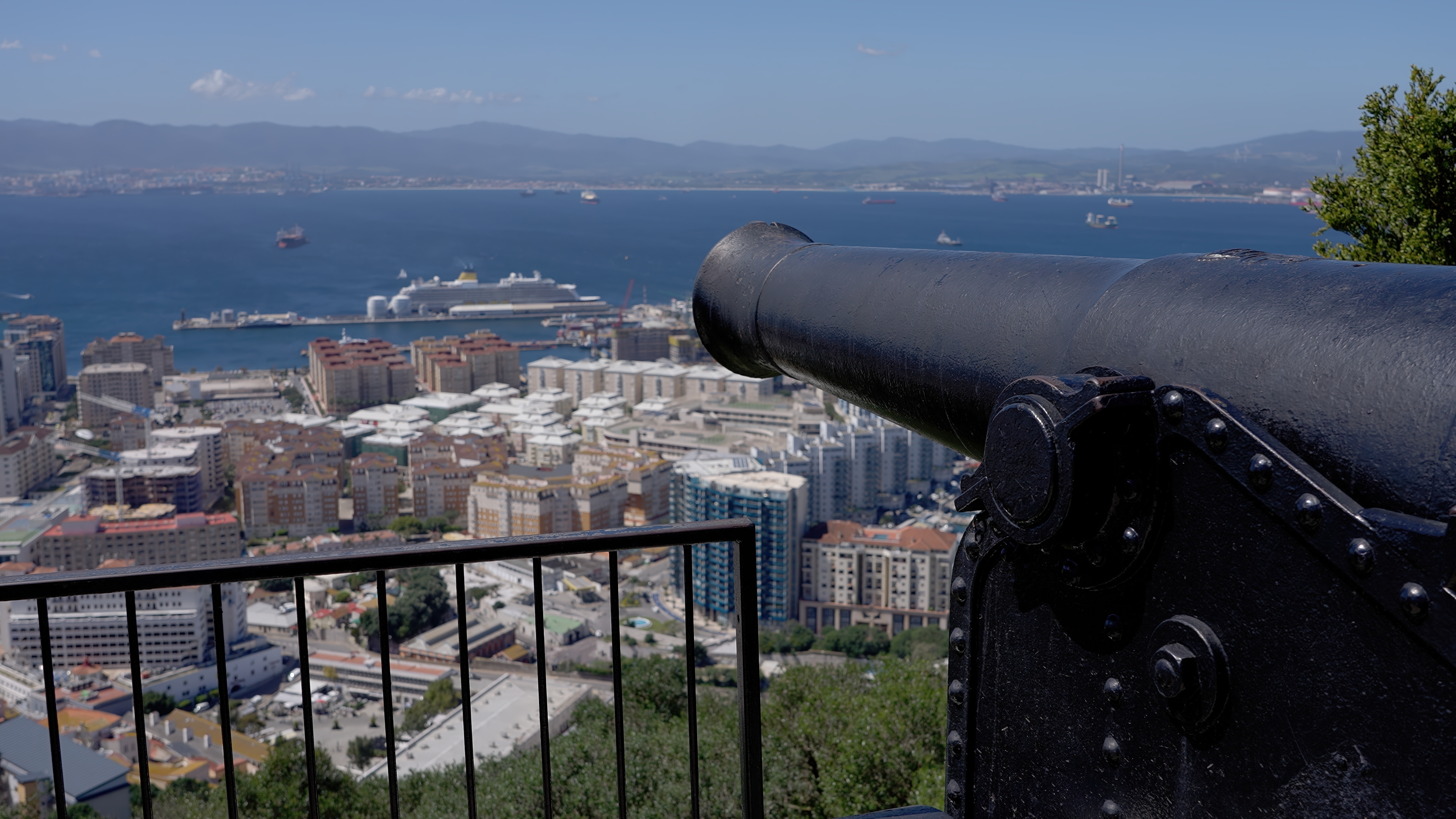
An extraordinary feat of 18th-century military engineering, these tunnels were carved by hand during the Great Siege of Gibraltar (**1779–1783**). The views from the gun emplacements are spectacular.
Windsor Suspension Bridge
Opened in **2015**, this **71-metre** bridge spans a gorge **50 metres** above the ground. It's not for the faint-hearted, but the views and the thrill are unforgettable.
Moorish Castle
Dating back to the 8th century, the castle's Tower of Homage dominates Gibraltar's skyline. Macaques are often spotted on the ancient walls.
A [Rock of Gibraltar tour](https://www.rockymonkey.gi/tours) can weave all these highlights together, ensuring you don't miss anything while maximising your time with the monkeys.
Photography Tips for Capturing the Macaques
The **Gibraltar monkeys** are wonderfully photogenic, but capturing great images requires some preparation.
Gear Recommendations
- A **70–200mm zoom lens** is ideal for portraits without getting too close
- Wide-angle lenses work well for environmental shots showing monkeys against the Rock's dramatic backdrop
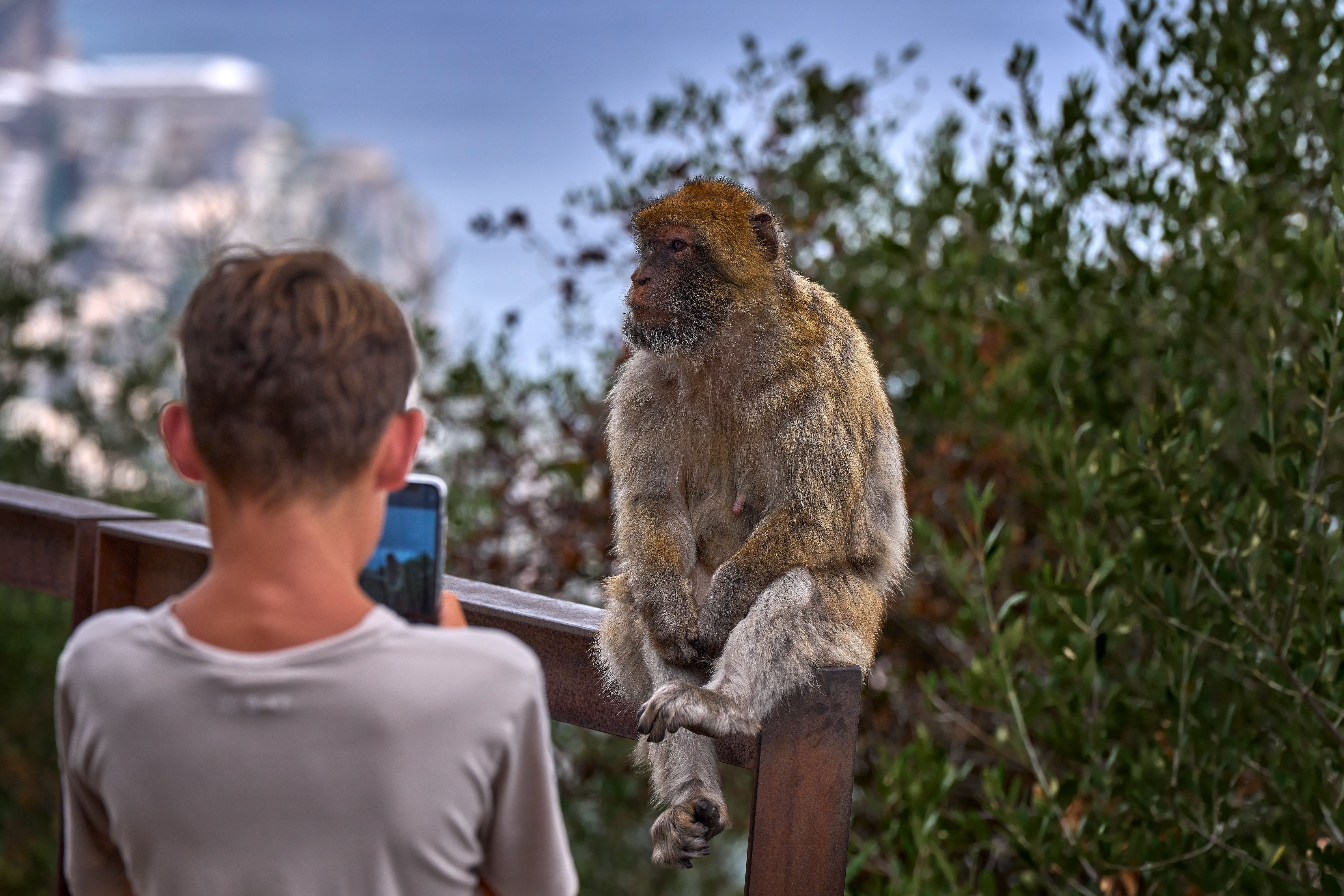
- Smartphone cameras are perfectly capable—just be ready to shoot quickly
Technique Tips
- **Get low.** Eye-level shots are far more engaging than looking down at the macaques
- **Focus on the eyes.** Sharp eyes make or break wildlife portraits
- **Watch for interactions.** Grooming, play, and mother-infant moments tell stories
- **Be patient.** The best shots come to those who wait quietly
- **Use burst mode.** Macaques move fast; continuous shooting captures peak action
Ethical Considerations
Never bait or lure macaques for photos. Don't use flash, which can startle them. And remember that the experience matters more than the Instagram shot—put the camera down occasionally and simply watch.
Conservation and the Future of Gibraltar's Monkeys
The **Barbary macaque** is classified as **Endangered** on the IUCN Red List, with wild populations in Morocco and Algeria declining due to habitat loss and illegal capture for the pet trade. Gibraltar's population, while small, represents an important genetic reservoir.
The **Gibraltar Ornithological and Natural History Society** monitors the troops closely, tracking births, deaths, and movements. Population management sometimes involves relocating individuals to prevent inbreeding and manage troop sizes.
Visitors play a role in conservation simply by following the rules. Every time someone feeds a monkey, it reinforces dangerous behaviour that can lead to the animal being removed from the population. Your responsible visit directly supports the macaques' long-term survival.
According to the [IUCN Red List assessment](https://www.iucnredlist.org/species/12561/4144461), Barbary macaque populations have declined by more than **50%** over the past three generations, making protected populations like Gibraltar's increasingly significant.
Planning Your Visit: Practical Information
Getting to the Upper Rock
- **Cable car:** Departs from the Botanic Gardens area, takes **6 minutes** to the top
- **By foot:** The Mediterranean Steps or Willis's Road offer hiking access
- **By taxi/tour:** Drivers can access the reserve roads with appropriate permits
Entry Fees
The **Upper Rock Nature Reserve** charges an entry fee (currently around **£15** for adults) that covers access to all attractions including monkey viewing areas, St Michael's Cave, and the tunnels.
What to Bring
- **Water:** The Rock gets hot, especially in summer
- **Sun protection:** Little shade on exposed areas
- **Secure bag:** Zip-up or clip-closure to deter curious macaques
- **Comfortable shoes:** Uneven terrain throughout
- **Layers:** Weather can change quickly at altitude
Accessibility
The cable car and Apes Den area are accessible for those with mobility challenges. Other areas involve steps and uneven paths.
Making the Most of Your Gibraltar Monkey Experience
Seeing the **Gibraltar monkeys** is about more than ticking off a bucket-list item. These remarkable primates offer a window into complex social behaviour, a connection to centuries of Mediterranean history, and a reminder that wildlife can thrive even in the most unexpected places.
Take your time. Watch the troop dynamics unfold. Notice how the juveniles test boundaries while mothers keep watchful eyes. See the older males patrolling their territory with quiet authority. These observations transform a tourist attraction into a genuine wildlife encounter.
Whether you explore independently or join a [guided Gibraltar experience](https://www.rockymonkey.gi), the macaques will leave an impression. They're cheeky, charismatic, and utterly unforgettable—the living symbols of this extraordinary little territory where Europe meets Africa.
Ready to meet the monkeys? Book a bespoke tour with **Rocky Monkey** and let our local guides show you Gibraltar's most famous residents like only insiders can.
Frequently Asked Questions
Where is the best place to see the Gibraltar monkeys?
Apes Den (Queen’s Gate) near the top cable car station is the most reliable spot. For quieter encounters, Middle Hill and the road to the Great Siege Tunnels offer more natural behaviour with fewer tourists.
Can you touch or feed the Barbary macaques?
No. Feeding the macaques is illegal in Gibraltar and carries fines up to £4,000. You should never touch them either — they are wild animals and can bite if they feel threatened.
What time of day are the Gibraltar monkeys most active?
Early morning (8–10am) and late afternoon (4–6pm) are best. Midday is the worst time — the macaques rest in shade and the viewing areas are at their busiest.
How many monkeys live in Gibraltar?
Around 230 Barbary macaques live across several troops in the Upper Rock Nature Reserve. They are the only wild monkey population in Europe.
Are the Gibraltar monkeys dangerous?
They are generally safe if you follow the rules: no food on display, no eye contact, no sudden movements, and never attempt to touch them. Most negative encounters involve visitors carrying visible snacks or backpacks left unzipped.
Do I need a guide to see the Gibraltar monkeys?
You can visit independently, but a local guide knows where each troop is on the day, the quieter viewing spots, and how to keep you safe while getting the best photos. It transforms a quick stop into a proper wildlife experience.
Is there an entry fee to see the monkeys?
Yes. The Upper Rock Nature Reserve charges around £15 per adult, which covers monkey viewing areas, St Michael’s Cave, the Great Siege Tunnels and other Upper Rock attractions.